



Finding quality restorative dentistry for kids in Seattle means connecting with a team that treats each child as an individual, not just another appointment. At A Kids Place Dentistry, Dr. Keith McDonald, Dr. Christine Do, and Dr. Ashley Huynh bring years of pediatric expertise to families throughout Renton and West Seattle. When a cavity appears, a tooth gets chipped, or an unexpected dental injury happens, these moments can feel overwhelming for parents and scary for children. Our approach focuses on creating positive experiences while addressing dental concerns with care and precision, helping kids maintain strong, functional smiles as they grow.
Why Restorative Dentistry for Kids in Seattle Matters
Baby teeth do more than help kids chew and speak. They hold space for permanent teeth, guide jaw development, and affect facial structure as children grow. When decay or damage threatens these important functions, restorative care becomes essential. Ignoring a small cavity can lead to infections, discomfort, and problems with adult teeth that haven’t even appeared yet.
Our doctors focus on preserving natural tooth structure whenever possible. Every treatment considers your child’s age, dental development, and specific needs. Some kids need minimal intervention, while others benefit from more protective solutions. Either way, families receive honest guidance about what will serve their child’s oral health best, both now and in the years ahead.
Common Restorative Treatments We Provide
Fillings and Crowns
Tooth-colored fillings work well for small to moderate cavities, blending seamlessly with natural enamel. For teeth with more extensive decay or damage, crowns provide stronger protection. We offer both stainless steel and tooth-colored options, depending on the tooth’s location and the level of restoration needed.
Pulp Therapy
When decay reaches the inner pulp of a tooth, pulp therapy can save the tooth and prevent extraction. This treatment removes infected tissue while keeping the healthy tooth structure intact, allowing the tooth to function normally until it naturally falls out.
Space Maintainers
If a baby tooth is lost prematurely due to decay or trauma, a space maintainer holds that spot open for the permanent tooth. Without this device, neighboring teeth can shift and create crowding issues that may require orthodontic treatment later.
Traumatic Dental Injuries
Active kids sometimes experience accidents that affect their teeth. From knocked-out teeth to fractures, our team handles traumatic dental injuries with calm expertise, working to save damaged teeth and restore function.
Early Detection Makes All the Difference
Regular checkups give us the chance to spot problems while they’re still manageable. A tiny area of decay caught early might need only a small filling, but that same cavity left untreated could eventually require a crown or even pulp therapy. During routine visits, we examine every tooth carefully, use diagnostic tools when needed, and discuss any concerns with parents before recommending treatment.
Many families worry that their child will need extensive dental work, but catching issues early often means simpler, quicker solutions. Prevention through consistent pediatric dentistry visits remains the best strategy for avoiding complicated procedures down the road.
Creating Comfort During Every Visit
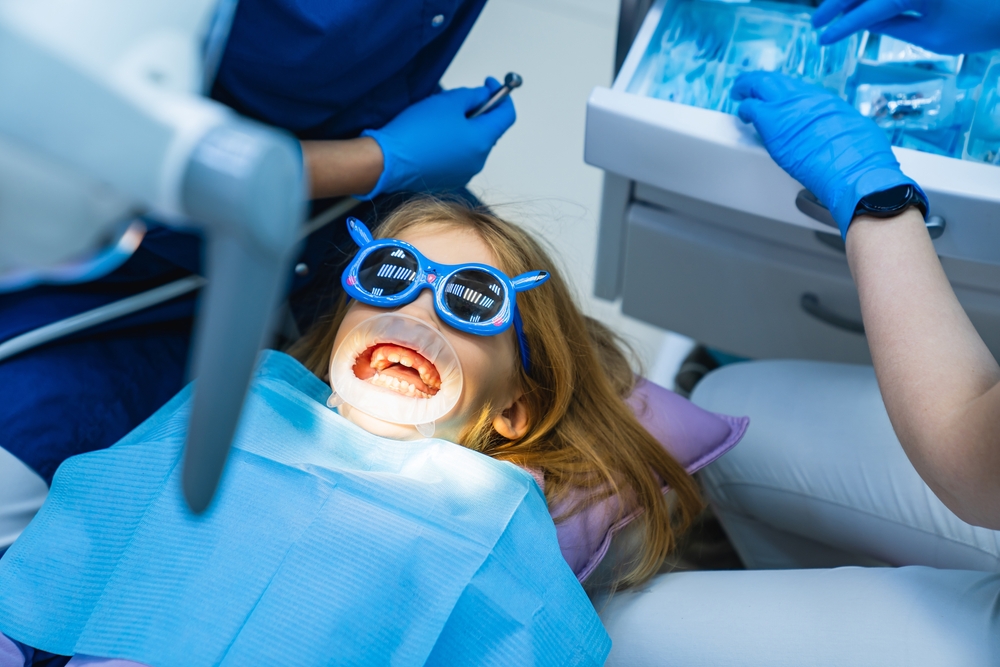
Children remember how they feel during dental appointments, and those memories shape their attitudes toward oral health for life. Our team works hard to make each visit feel safe and manageable. Before any procedure, kids receive age-appropriate explanations about what will happen. We answer their questions, show them tools, and let them know they can raise a hand if they need a break.
For children who experience significant anxiety or need extensive treatment, sedation dentistry options help them stay comfortable and calm. These methods range from mild relaxation techniques to deeper sedation, depending on the child’s needs and the procedure’s complexity.
Meet Your Pediatric Dental Team
Our practice brings together three dedicated pediatric dentists who genuinely enjoy working with children. Dr. Keith McDonald has built his career around helping young patients feel confident in the dental chair. Dr. Christine Do brings both skill and warmth to every appointment, making even nervous kids feel at ease. Dr. Ashley Huynh combines clinical excellence with a playful spirit that helps children see dental visits as something positive rather than something to dread.
Together, they create an environment where families feel heard, kids feel safe, and everyone leaves with clear information about maintaining healthy smiles.
Convenient Locations Serving Seattle Families
We operate two offices to serve families across the greater Seattle area. Our Renton office and West Seattle office both offer the same high standard of care in welcoming environments designed with children in mind. Whether you live close to our location or drive in from surrounding neighborhoods, you’ll find parking, friendly staff, and treatment rooms set up to keep kids comfortable.
Start Your Child’s Path to Stronger Teeth
Restorative dentistry for kids in Seattle shouldn’t feel intimidating. With the right team, these treatments become opportunities to protect your child’s oral health and set them up for success as their permanent teeth come in. Our doctors treat every patient with respect and care, explaining options clearly and involving parents in every decision.
If your child needs restorative care or you’d like to establish a dental home where prevention and treatment go hand in hand, our doors are open to families in both Renton and West Seattle. Contact us to schedule an appointment and discover how comfortable pediatric dental care can be when you have the right team on your side.